Nutrition Tips for Midlife Women: Eat Strong

Updated: Mar 13
As women enter midlife, their nutritional needs change significantly. Hormonal fluctuations, lifestyle changes, and the natural aging process can all impact health and well-being. It’s essential to adapt dietary habits to support energy levels, maintain a healthy weight, and prevent chronic diseases. This blog post will explore practical nutrition tips tailored specifically for midlife women, helping you to eat strong and thrive during this transformative phase of life.

Understanding Nutritional Needs in Midlife
The Importance of Balanced Nutrition
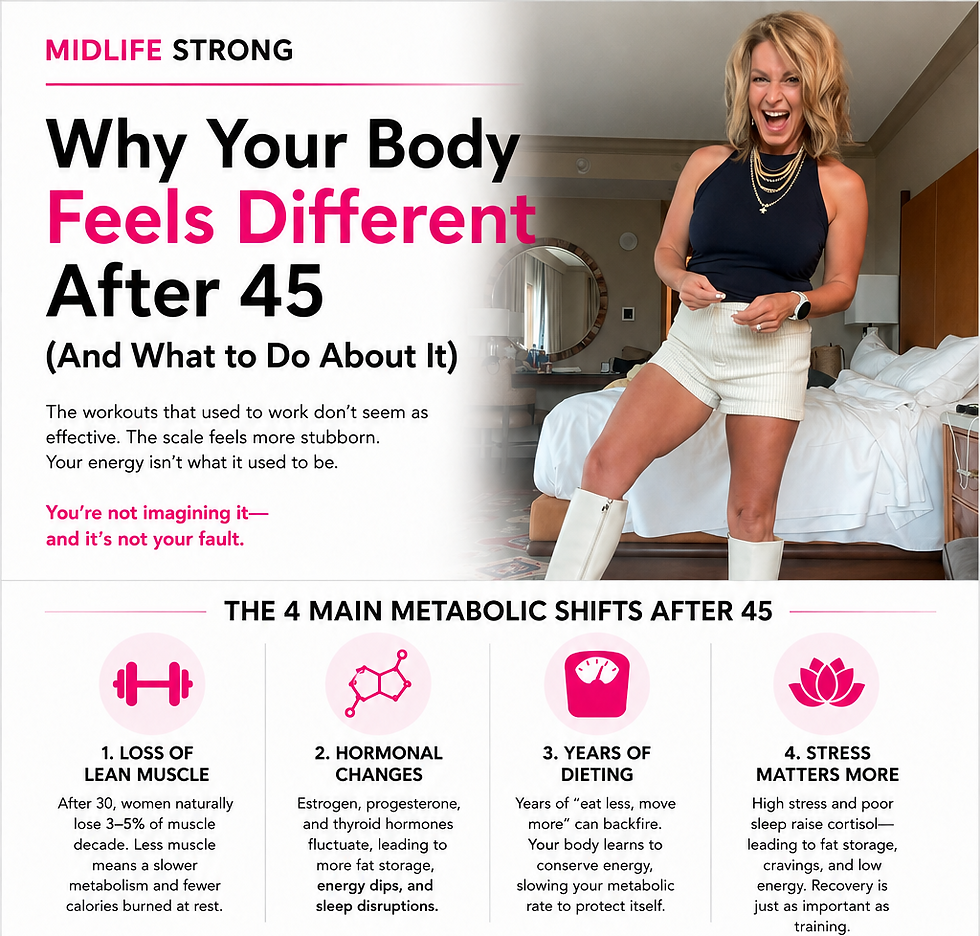
Balanced nutrition is crucial for maintaining overall health, especially during midlife. Women often experience shifts in metabolism and hormonal changes that can affect weight and energy levels. A well-rounded diet can help manage these changes effectively.
Key components of a balanced diet include:
Fruits and Vegetables: Aim for a variety of colors to ensure a wide range of nutrients.
Whole Grains: Choose whole grains over refined grains for added fiber and nutrients.
Lean Proteins: Incorporate sources like chicken, fish, beans, and legumes to support muscle health.
Healthy Fats: Include avocados, nuts, seeds, and olive oil to promote heart health.
Nutrients to Focus On
Certain nutrients become increasingly important as women age. Here are some key nutrients to prioritize:
Calcium: Essential for bone health, especially as the risk of osteoporosis increases. Aim for dairy products, leafy greens, and fortified foods.
Vitamin D: Supports calcium absorption and bone health. Sun exposure and fortified foods can help meet your needs.
Fiber: Aids digestion and helps maintain a healthy weight. Include whole grains, fruits, and vegetables in your diet.
Omega-3 Fatty Acids: Beneficial for heart health and may help reduce inflammation. Sources include fatty fish, flaxseeds, and walnuts.
Meal Planning Strategies
Create a Weekly Meal Plan
Planning meals in advance can help ensure you meet your nutritional needs while saving time and reducing stress. Here’s how to create an effective meal plan:
Set Aside Time: Dedicate a specific day each week to plan your meals.
Choose Recipes: Select recipes that incorporate a variety of food groups and nutrients.
Make a Shopping List: Write down the ingredients you’ll need to avoid impulse purchases at the store.
Prep Ahead: Consider preparing meals or components in advance to make healthy eating easier during the week.
Portion Control
Understanding portion sizes is vital for maintaining a healthy weight. Here are some tips for managing portions:
Use Smaller Plates: This can help control portion sizes and prevent overeating.
Listen to Your Body: Pay attention to hunger and fullness cues to avoid eating out of habit.
Measure Portions: Use measuring cups or a food scale to get a better idea of appropriate serving sizes.
Smart Snacking
Healthy Snack Options
Snacking can be a great way to maintain energy levels throughout the day. Opt for nutritious snacks that provide lasting energy. Here are some ideas:
Greek Yogurt with Berries: A protein-packed snack that’s also rich in antioxidants.
Hummus and Veggies: A satisfying combination of fiber and protein.
Nuts and Seeds: A small handful can provide healthy fats and protein.
Whole Grain Crackers with Cheese: A balanced snack that combines carbs and protein.
Avoiding Unhealthy Snacks
It’s easy to reach for convenience snacks that are high in sugar and unhealthy fats. Here are some strategies to avoid unhealthy snacking:
Keep Healthy Options Visible: Store fruits and vegetables at eye level in the fridge.
Plan for Cravings: If you know you tend to crave sweets, have healthier alternatives on hand, like dark chocolate or fruit.
Stay Hydrated: Sometimes thirst is mistaken for hunger. Drink plenty of water throughout the day.
Staying Hydrated
The Importance of Hydration
Staying hydrated is essential for overall health, especially as women age. Dehydration can lead to fatigue, headaches, and decreased cognitive function. Here are some tips to ensure you stay hydrated:
Drink Water Regularly: Aim for at least eight 8-ounce glasses of water a day, adjusting based on activity level and climate.
Incorporate Hydrating Foods: Foods like cucumbers, watermelon, and oranges can contribute to your daily hydration needs.
Limit Caffeine and Alcohol: Both can contribute to dehydration, so consume them in moderation.
Physical Activity and Nutrition
The Role of Exercise
Regular physical activity is vital for maintaining health during midlife. It can help manage weight, improve mood, and enhance overall well-being. Combine exercise with good nutrition for optimal results.
Types of exercise to consider:
Strength Training: Helps maintain muscle mass and bone density.
Cardiovascular Exercise: Activities like walking, swimming, or cycling improve heart health.
Flexibility and Balance Exercises: Yoga or Pilates can enhance flexibility and reduce the risk of falls.
Fueling Your Workouts
Proper nutrition can enhance your exercise performance. Here are some tips for fueling your workouts:
Pre-Workout Snacks: Choose easily digestible carbohydrates, like a banana or a slice of whole-grain toast, about 30 minutes before exercising.
Post-Workout Recovery: Include protein and carbohydrates in your post-workout meal to aid recovery. A smoothie with protein powder and fruit is a great option.
Mindful Eating
Practicing Mindfulness
Mindful eating involves paying attention to your food and the eating experience. This practice can help you develop a healthier relationship with food. Here’s how to get started:
Eat Without Distractions: Turn off the TV and put away your phone during meals.
Savor Each Bite: Take time to enjoy the flavors and textures of your food.
Reflect on Your Hunger: Before eating, ask yourself if you are truly hungry or eating out of boredom or stress.
Benefits of Mindful Eating
Practicing mindful eating can lead to several benefits, including:
Improved digestion
Better portion control
Enhanced enjoyment of food
Reduced emotional eating
Conclusion
Eating strong during midlife is about making informed choices that support your health and well-being. By focusing on balanced nutrition, staying hydrated, planning meals, and practicing mindful eating, you can navigate this phase of life with confidence. Remember, it’s never too late to make positive changes to your diet and lifestyle. Start small, and gradually incorporate these tips into your daily routine for lasting benefits.
Take charge of your nutrition today and embrace the journey of midlife with strength and vitality!


Comments